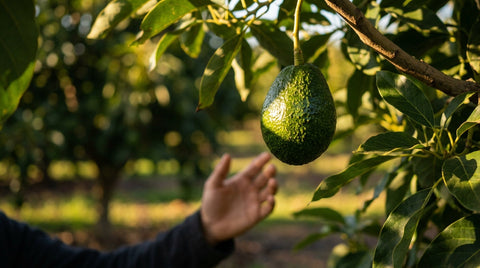
Organic: The Ultimate Secret Weapon for Your Gut Health
We all know the mantra: eat more fruits and vegetables to get your daily dose of fiber. While adding any produce to your plate is a step in the right direction, how that food is grown can make a profound difference to your digestive ecosystem. Choosing organic produce isn’t just a fad—it is a direct upgrade for your microbiome.
Here are four scientific reasons why organic food helps your gut truly thrive.
1. It Protects Your Microbiome from Harmful Pesticides
The defining edge of organic farming is its strict limitation on synthetic chemical pesticides. Emerging scientific research—including animal and lab studies—suggests that commonly used synthetic pesticides, such as glyphosate, can have toxic effects on beneficial gut bacteria.
When these chemicals disrupt the delicate balance of your microbiome, your "good" gut bacteria struggle to produce short-chain fatty acids (SCFAs). SCFAs are important compounds responsible for keeping your gut lining strong and keeping internal inflammation in check. Swapping to organic drastically minimizes your exposure to these residues, giving your helpful microbes a clean environment to flourish.
2. It Delivers a Richer Variety of Soil Microbes
Just like humans, plants rely heavily on their own microbiome, which is cultivated by the soil they grow in. Organic agriculture prioritizes nutrient-dense, biologically active soil rather than synthetic fertilizers. As a result, organic fruits and veggies host a noticeably more diverse community of natural microbes.
-
The Apple Study: A landmark study in Frontiers in Microbiology revealed that organic apples contained a significantly more diverse array of beneficial bacterial communities than conventionally grown ones.
-
The Gut Connection: Enjoying fresh, raw organic produce introduces these beneficial plant microbes directly into your system, helping to seed and enrich your own gut flora.
3. It Packs a Higher Punch of Gut-Loving Polyphenols
Without synthetic chemical sprays to shield them from pests, organic plants have to build up their own defense mechanisms against environmental stressors. They do this by naturally synthesizing higher concentrations of defense compounds, known as polyphenols and antioxidants.
A comprehensive meta-analysis evaluating over 300 peer-reviewed studies concluded that organic crops hold anywhere from 19% to 65% higher concentrations of antioxidants compared to conventional crops. Polyphenols function as potent prebiotics—traveling to your lower intestine where they feed key probiotic strains like Lactobacillus and Bifidobacterium.
4. It Shields You from Unwanted Antibiotic Residues
Beyond fruits and vegetables, choosing organic across dairy and meat protects your ecosystem from hidden disruptions. Organic standards strictly prohibit the routine, preventative use of antibiotics in livestock.
Conventional farming consumes a massive portion of global antibiotics, which can leave trace residues in meat and dairy products. Ingesting even low levels of antibiotic residues can inadvertently wipe out beneficial gut strains and encourage antibiotic resistance within your microbiome.
Eating conventional produce gives you fiber, but choosing organic takes your wellness a step further. By eliminating microbiome-disrupting chemicals and providing richer plant microbes and prebiotics, organic foods give your gut everything it needs to function at its absolute best.
Which organic swap are you making in your kitchen this week?